.png?width=2196&height=2196&name=OS%20(1).png)



.svg)

-3.png?width=224&height=213&name=Accelerate%20(2)-3.png)









.png?width=960&name=blog%20banner%20(5).png)
Replacing laundromat equipment is one of the largest investments an owner will ever make. A full retool can cost anywhere from $150,000 to $500,000+, depending on store size, machine mix, and infrastructure upgrades.
Whether you're:
-
Buying a laundromat that needs retooling
-
Modernizing an aging store
-
Expanding your machine capacity
Choosing the right commercial washer and dryer manufacturer is critical to long-term profitability.
Modern equipment doesn’t just clean clothes — it affects:
-
Utility costs
-
Customer satisfaction
-
Machine uptime
-
Store throughput
-
Business valuation
In this guide, we’ll cover:
-
The top commercial laundromat equipment manufacturers
-
Typical equipment costs in 2026
-
How to decide which brand is right for your store
-
Key features that improve profitability and efficiency
How Much Does It Cost to Retool a Laundromat?
A laundromat retool typically includes replacing washers, dryers, and sometimes upgrading infrastructure like plumbing, gas lines, or electrical capacity.
Typical Retool Investment (2026)
|
Store Size |
Estimated Retool Cost |
|
Small (1,000-1,500 sq. ft.) |
$150K-$250K |
|
Mid-size (1,500-3,000 sq. ft.) |
$250K-$400K |
|
Large laundromat |
$400K-$700K+ |
Cost depends on:
- Machine capacity mix
- Venting and plumbing upgrades
- Payment systems
- Installation costs
- Buildout improvements
Retooling can feel expensive upfront, but modern equipment often reduces utility costs by 20–40%, making upgrades financially worthwhile over time.
Pros and Cons of Retooling a Laundromat
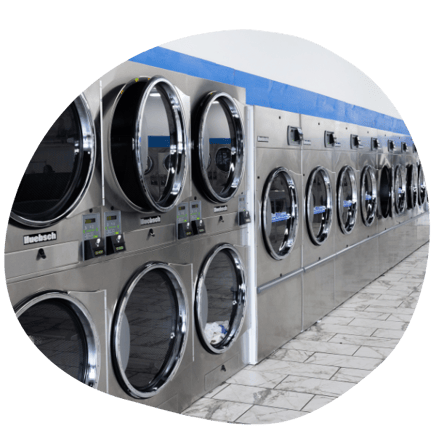
Retooling your laundromat with new equipment and renovations helps laundromats attract more customers. But there are a few factors to consider before making a new purchase. If you’re looking to buy a laundromat that needs retooling, be sure to check things like plumbing, electrical systems, and ventilation to avoid expensive surprises down the road.
If you’re an existing owner ready for an upgrade, you likely already have a good idea of the status of your current infrastructure, but it never hurts to reassess just in case your vision doesn’t align completely with what’s possible. It’s also worth thinking about who’s using your laundromat, how often they come in, and what they like or don’t like to figure out what areas might need more attention than others.
Pros of Retooling
-
Lower startup costs than building a laundromat from scratch
-
Faster time to market since infrastructure already exists
-
Existing customer base when purchasing an operating store
-
Opportunity to increase vend prices with modern equipment
Cons of Retooling:
-
Hidden infrastructure issues (plumbing, gas lines, electrical capacity)
-
Limited ability to redesign the layout completely
-
Older buildings may require expensive ventilation upgrades
Before committing to a retool, always inspect:
-
Water lines and drainage
-
Gas capacity
-
Electrical panel capacity
-
Dryer venting
-
Floor condition and load-bearing capacity
These factors can dramatically affect the true cost of the project.
Top Commercial Laundry Equipment Manufacturers
Several manufacturers dominate the commercial laundromat equipment market. Each brand offers different strengths depending on your business model, budget, and store size.
Below are some of the most trusted commercial washer and dryer manufacturers used by laundromat owners worldwide.
Commercial Washer & Dryer Brand Comparison
|
Brand |
Known For |
Ideal For |
|
Durability and reliability |
High-volume laundromats |
|
|
Simplicity and commercial durability |
Small to mid-size stores |
|
|
Fast cycles and efficiency |
High-throughput laundromats |
|
|
Energy efficiency |
Utility-conscious operators |
|
|
High-spin performance |
Stores focused on drying efficiency |
|
|
Customizable programs |
High-capacity operations |
|
|
Cost efficiency |
Budget-conscious retools |
Key Features to Consider When Choosing Commercial Laundry Equipment
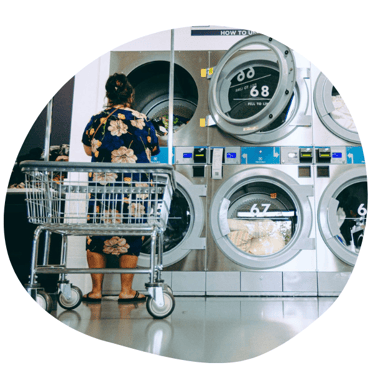
When investing hundreds of thousands of dollars into laundromat equipment, focusing on the right features can make the difference between a profitable store and one constantly fighting costs.
The most important factors to evaluate include:
1. Energy Efficiency
Energy-efficient machines can drastically reduce your utility costs over time. Look for models that offer eco-friendly features like water and energy-saving programs, which help minimize operational costs while promoting sustainability. Brands like Electrolux and Girbau are known for their energy-efficient models, designed to help laundromat owners save on utilities.
2. Durability & Reliability
Your laundry equipment will undergo heavy use, so it's essential to choose machines built for durability. Look for washers and dryers that are engineered to handle constant operation and can withstand the wear and tear of a high-traffic laundromat. Speed Queen and Dexter Laundry are top contenders for their reputation in crafting long-lasting, high-performance machines.
3. Cycle Speed & Efficiency
Faster wash and dry cycles not only improve your throughput but also increase customer satisfaction. If you have a high volume of customers, selecting equipment that offers quick cycle options like Dexter Express can help reduce waiting times, allowing customers to get in and out faster. Consider machines that balance speed with washing efficiency for optimal results.
4. Capacity & Load Size
Different laundromats cater to different customer bases, so choosing washers and dryers with the right load capacity is essential. For laundromats serving large families or commercial clients like hotels or hospitals, larger capacity machines will help handle bigger loads, minimizing the time customers spend in the laundromat.
5. Maintenance & Support
Choose a brand with easy-to-maintain equipment and strong manufacturer support. Features like self-diagnostics can help identify issues early, reducing downtime. Consider brands like Wascomat and Fagor, known for their low-maintenance designs and strong support systems that can help keep your equipment running smoothly.
6. Technology Integration
Modern machines often come with smart technology that offers monitoring, remote diagnostics, and usage analytics. For example, Speed Queen Insights lets laundromat owners track performance, machine status, and customer data remotely. This technology can help optimize operations and improve customer experience.
7. Customization & Program Options
Flexibility is key when it comes to laundromat equipment. Machines with customizable wash cycles and options like temperature control, cycle time, and detergent dispensers can cater to a wider variety of customer needs. Brands like Wascomat and Maytag offer advanced controls that let you customize wash programs for different fabric types and customer preferences.
8. Cost-Effectiveness
While it's tempting to opt for the cheapest models, investing in higher-quality, slightly more expensive equipment may save you money in the long run. Look for machines that offer reliable performance and lower lifetime costs, considering factors like energy usage, durability, and maintenance. Girbau and Electrolux are good examples of brands that balance upfront costs with long-term savings.
9. Payment System Compatibility
Modern laundromats are rapidly moving away from coin-only systems. Digital payment integration improves revenue tracking, customer convenience, and operational data.
Look for machines compatible with:
-
Card payments
-
Mobile payments
-
App-based machine activation
-
Loyalty and membership programs
By evaluating these key features, you can make a more informed decision that aligns with your laundromat's needs, ensuring a reliable and profitable investment in the long run.
How New Laundry Equipment Increases Revenue
Retooling isn’t just about replacing broken machines — it can significantly improve store performance.
Modern commercial washers and dryers can increase revenue through:
- Higher Vend Prices: Customers are willing to pay more for larger capacity and faster cycles.
- Faster Machine Turns: High-speed extract washers reduce drying time, increasing customer throughput per day.
- Utility Savings: Newer machines use less water, gas, and electricity.
- Better Customer Experience: Modern machines improve cycle reliability, payment options, and wash quality.
These improvements can help older laundromats compete with newer stores entering the market.
How Many Washers & Dryers Should a Laundromat Have?
The ideal machine mix varies by store size, but most successful laundromats follow a general rule: 60-70% washers and 30-40% dryers.
Typical machine mix example:
|
Machine type |
Quantity |
|
20 lb washers |
8-12 |
|
40 lb washers |
6-8 |
|
60 lb washers |
3-5 |
|
80 lb washers |
1-3 |
Large-capacity machines are increasingly popular because they increase vend price, attract families, and reduce machine wait times.
Why Working With an Equipment Distributor Matters
When retooling you have to choose machines that fit in your space and meet the needs of your business and customer expectations. By connecting with a laundromat manufacturer and going over the unique details of your laundromat, you can be sure that you end up with a solution perfectly suited for you. Manufacturers have a wealth of industry knowledge they can lend.
They can help with:
-
Store layout planning
-
Utility requirements
-
Machine mix strategy
-
Installation coordination
-
Warranty support
Experienced distributors also understand local laundromat markets, which can help ensure your machine selection aligns with customer demand.
Choosing the Right Laundry Equipment for Long-Term Success
Retooling a laundromat is a major decision that can shape your business for the next decade or more.
The right equipment can:
-
Reduce utility costs
-
Improve customer experience
-
Increase machine turns
-
Boost store profitability
By carefully evaluating manufacturers, machine features, and infrastructure requirements, laundromat owners can make confident investments that support long-term growth.
If you're planning a retool or upgrading your equipment strategy, having the right technology and operational tools alongside your machines can make a significant difference in how efficiently your laundromat runs.
Frequently Asked Questions
How long do commercial laundromat machines last?
Most commercial washers and dryers last 10–15 years, depending on usage and maintenance.
Should I buy new or used laundromat equipment?
New equipment offers better efficiency, warranties, and financing options. Used machines can lower upfront costs but may increase maintenance expenses.
Is retooling a laundromat worth it?
In many cases, yes. Retooling can increase revenue through better efficiency, higher vend prices, and improved customer experience.
.png?width=400&height=200&name=Thumbnail%20(2).png)