

.png?width=2196&height=2196&name=OS%20(1).png)



.svg)

-3.png?width=224&height=213&name=Accelerate%20(2)-3.png)










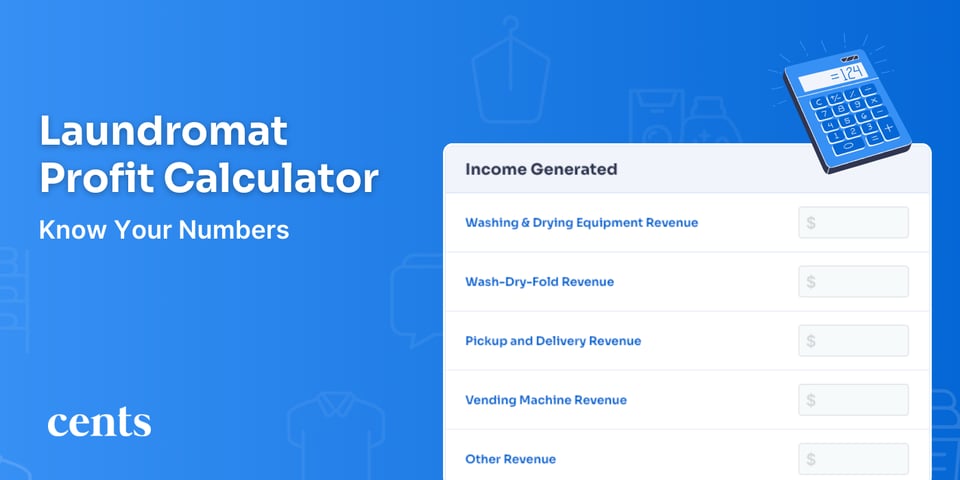
You know the feeling: the machines are running, customers are coming in, and cash is flowing. But at the end of the month, where did it all go?
Laundromat profitability isn't just about what comes in. It's about what's left after utilities, maintenance, rent, payroll, and all the small expenses that add up faster than you'd expect. Without clear numbers, it's impossible to know if you're actually growing or just keeping the lights on.
See Where You Stand
Plug in your monthly, quarterly, or yearly profit. Our calculator will show you how much revenue is at risk from equipment downtime, what preventative maintenance is really saving you, and whether your current strategy is paying off.
Takes less than two minutes. No spreadsheet required.
Disclaimer: These calculations are estimates only, based on your inputs and industry averages. Actual results will vary. This is not financial, tax, or professional advice. Consult qualified advisors before making business decisions.
What Your Results Mean
You'll see three key metrics that tell you if your laundromat is actually profitable:
Laundromat Profits: Your operating profit before interest, depreciation, and taxes. This is what's left after covering all the day-to-day costs of running your business: utilities, wages, maintenance, rent, and supplies. If this number is positive, your operations are sustainable. If it's negative or barely breaking even, something needs to change.
Net Profit After Taxes: Your true bottom line. This shows what you actually keep after every expense, including debt payments, equipment depreciation, and income taxes. This is the number that determines whether you're building wealth or just trading time for money.
Net Profit Margin: The percentage of revenue that becomes actual profit. This number tells you how efficiently your laundromat turns sales into take-home money. A low margin means you're working harder than you need to for what you're taking home. A high margin means you're doing something right or you might be underinvesting in your business.
Prefer a spreadsheet? Download our profit calculator template and track your numbers offline here.
The Reality of Running a Laundromat
Profit margins look good on paper. But they don't account for the unexpected.
Equipment breaks. Customers complain. Revenue dips when machines go down. And every day a washer or dryer sits idle, you're not just losing today's income, you're losing customers who might not come back.
That's the gap most profit calculators don't show you: the difference between what you planned to make and what actually hits your account when things go wrong.
Knowing your numbers is step one. Protecting them is step two.
The laundromats that stay profitable aren't just the ones with the best margins. They're the ones with systems in place to protect those margins when the unexpected hits.
Want to Dig Deeper Into Your Numbers?
Schedule a demo with one of our laundromat experts. We'll walk through your results, answer your questions, and show you how Cents can help you run a more profitable operation and keep it that way.

.png?width=400&height=200&name=BestWash_BlogBanner%20(5).png)
-1.png?width=400&height=200&name=BlogBanner%20(6)-1.png)
-1.png?width=400&height=200&name=BlogBanner%20(3)-1.png)