.png?width=2196&height=2196&name=OS%20(1).png)



.svg)

-3.png?width=224&height=213&name=Accelerate%20(2)-3.png)









.png?width=960&name=BestWash_BlogBanner%20(5).png)
Running a profitable laundromat in 2026 is still about the same old truth operators have known for decades: if your pricing is wrong, everything else works harder than it needs to. Costs are higher, customers are more value-aware, and competition is sharper—both from the store down the street and from operators using smarter tech.
In this blog, we’ll discuss how to manage expenses, check local pricing, and create a solid pricing plan. We’ll also share tips on making more money with extra services and loyalty programs. This plan will help you stay ahead while keeping customers happy.
Know Your Numbers First
Before raising prices, figure out your costs. You’ll need to charge enough to cover your bills and still make money (of course).
Calculate your laundromat operating costs
Every laundromat owner should track their total operational costs, including:
-
Utilities: Water, electricity, and gas rates fluctuate, so monitoring your monthly bills helps you adjust prices accordingly.
-
Rent & lease fees: If you lease your space factor in annual rent increases when planning future pricing.
-
Machine maintenance: Taking care of your machines costs money, but regular maintenance helps keep washers and dryers working well.
-
Labor costs: If you hire staff or provide wash-and-fold services, labor costs can add up fast. Be sure your pricing covers these expenses.
-
Taxes: When setting your laundromat’s prices, don’t forget to account for taxes on services and revenue, as these can impact your overall laundromat profit margins and pricing strategy.
Track peak vs. off-peak demand
Most laundromats still see predictable patterns: nights and weekends are busy, weekday afternoons are not. Tracking when customers use your machines the most can help you optimize pricing. Time‑of‑day pricing and automated discounts can smooth demand, increase machine utilization, and boost total revenue without raising base prices.
Monitor cost per load across machines
A large capacity washer costs more to operate than a small machine. Your pricing should reflect these differences to ensure profitability. Compare your machine costs with the revenue they generate to find the ideal balance.
Understand Your Local Market (Not Just Your Neighbors)
Competitive pricing doesn’t mean being the cheapest. It means being positioned correctly.
Survey local laundromats
Visit laundromats within a 3-mile radius and take note of their pricing. Pay attention to:
-
Self-service laundry pricing by machine size
-
Dryer rates and cycle lengths
-
Wash-and-fold rates pricing structures
-
Any additional fees (detergent, card payments, etc.)
Compare amenities and experience
Pricing never exists in a vacuum. Free Wi‑Fi, modern machines, clean spaces, mobile payments, loyalty programs—customers factor all of this in. If your experience is better, your pricing can be too.
Identify market gaps
Look for unmet needs:
-
No pickup & delivery in your area
-
Overpriced self-service competitors
-
No subscription or membership options
Gaps are opportunities to win without racing to the bottom.
Smart Pricing Strategies That Actually Work
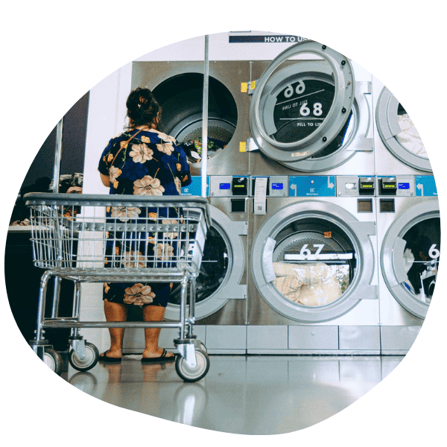
After reviewing your costs and checking what other laundromats charge, you can decide on the best pricing strategy.
Price by machine size and cycle type
-
Larger machines should cost more per load since they use more water, electricity, and detergent.
-
Premium cycles (hot water, extra rinse, or heavy-duty wash) should be priced higher than standard cycles.
Use time-based pricing strategically
Discounts during slower hours can:
-
Increase weekday traffic
-
Reduce weekend bottlenecks
-
Improve overall equipment ROI
Even a modest 5–10% off‑peak incentive can materially impact utilization.
Bundle services to increase average order value
Effective bundles include:
-
Family or multi-load: Discounted rate for washing multiple loads at once.
-
Monthly memberships: Customers pay a flat rate for a certain number of washes per month.
-
Wash & dry combo: Slight discount for customers using both services together.
Bundles reward loyalty while locking in predictable revenue.
High-Margin Add-Ons That Customers Will Pay For
Pricing isn’t just about the cost per load. Additional services can drive more revenue while providing convenience for customers.
Premium wash options
Offering high-quality detergents and fresh smelling boosters can bring in extra money. Many people are willing to pay more for top products.
Wash-and-Fold service pricing
Wash-and-fold rates can help your laundromat earn more money. Make sure you charge enough to cover labor costs while keeping prices reasonable.
Pickup and Delivery service rates
Pickup and delivery services make laundry even more convenient. Charging by weight or per bag pricing ensures that your rates reflect time and fuel costs.
Memberships and subscriptions
Loyalty memberships keep customers returning. A subscription-based service, where customers pay a flat fee for weekly laundry pickup, can provide steady revenue.
Pricing for Retention, Not Just Acquisition
New customers help your business grow, but loyal ones keep it strong. Smart pricing strategies can encourage repeat visits.
First-time customer discounts
It’s great when someone tries your laundromat, but keeping them as a regular customer is even more important. If your laundromat uses Laundroworks hardware, you can easily track and apply these discounts through digital payment systems.
With Laundroworks' value add kiosks and loyalty card system, laundromat owners can provide seamless first-time customer discounts without manual work. Customers can load value onto a card or mobile app at the kiosk using credit, debit, Apple Pay, Google Pay or cash. The system also encourages customer registration, collecting names, emails, and phone numbers, which allows laundromats to offer personalized promotions and track usage patterns.
A major benefit of this system is automated customer retention strategies. For example, laundromat owners can set up first-time user bonuses, like “Load $10, get an extra $2”, directly through the kiosk. Since customers rarely spend the exact amount loaded, this system helps increase repeat visits—once money is on the card, customers are more likely to return to use the remaining balance.
Loyalty program structure
A rewards system that gives free washes or discounts after a set number of visits keeps customers coming back. Digital loyalty programs make tracking points easy.
Volume-based incentives
Encourage large families or commercial clients to use your laundromat by offering discounts on high-volume loads. For example, "Save 10% when washing 50+ pounds per month."
Digital payment rewards
Customers who use contactless payments or reloadable laundry cards can receive bonus credits or small discounts, encouraging repeat business. 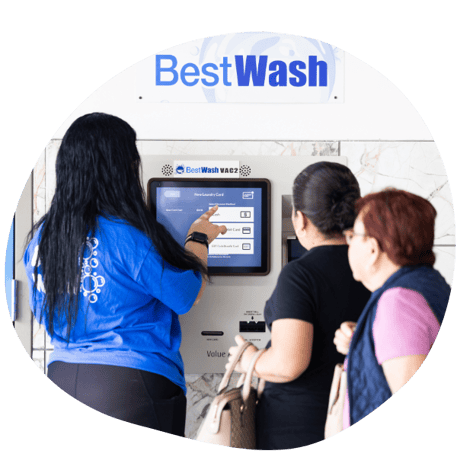
Laundroworks also allows owners to adjust commercial laundry pricing dynamically based on customer trends. With features like time-of-day discounts or happy hour pricing, owners can incentivize slower times by offering lower rates. This not only fills machines during off-peak hours but also helps first-time users experience the laundromat at a discounted rate, encouraging future visits.
By using Laundroworks' advanced payment and customer tracking tools, laundromat owners can simplify promotions, reduce operational workload, and build long-term customer loyalty—all while increasing revenue.
Quick Tips for Pricing Success
To wrap things up, here are some final tips to ensure your commercial laundry pricing remains competitive and profitable in 2026:
-
Raise prices gradually: Instead of large increases, adjust rates in 5-10% increments to avoid shocking customers.
-
Test premium services in small batches: See what customers are willing to pay before fully committing to a new service.
-
Use digital payments to track usage trends: Data helps you make informed pricing decisions.
-
Review pricing quarterly: Keep an eye on costs and competitors to stay competitive.
-
Adjust pricing seasonally: Higher demand in winter may allow for price increases, while summer specials can boost slow periods.
-
Regularly check utility costs: If energy rates go up, consider small price adjustments to cover expenses.
Why reporting & reviewing data matters
Great laundromat owners don’t just set prices and leave them. Watching sales, customer habits, and costs helps keep the business making money. With Cents' business management system, you can track data and make better commercial laundry pricing choices.
How Profitable Laundromats Win in 2026
To succeed in 2026, laundromat pricing needs to be fair and smart. You have to cover costs, stay competitive, and make sure customers get good value. Watching expenses and adjusting prices can help boost profits.
These strategies work whether you're pricing self-service machines, wash-and-fold rates, or extra services. If you're looking for a way to manage costs and increase profits, Cents' platform can make it easier. Get started today and take Cents for a spin!
-1.png?width=400&height=200&name=BlogBanner%20(6)-1.png)
.jpg?width=400&height=200&name=Blog%20Banner%20Resizing%20(3).jpg)